Fighting Fire With Fire
How controlled burns help keep forests healthy
Fire has always been part of California’s forests. For thousands of years, fires ignited by lightning and indigenous people helped clear out excess vegetation and kept forests in balance.
Today, many forests have gone too long without fire. Dry brush and small trees have built up, creating conditions where wildfires can burn hotter, spread faster, and threaten nearby communities.
That’s why CAL FIRE uses a proven approach to forest health. We’re fighting fire with fire.
What Does “Fighting Fire With Fire” Mean?
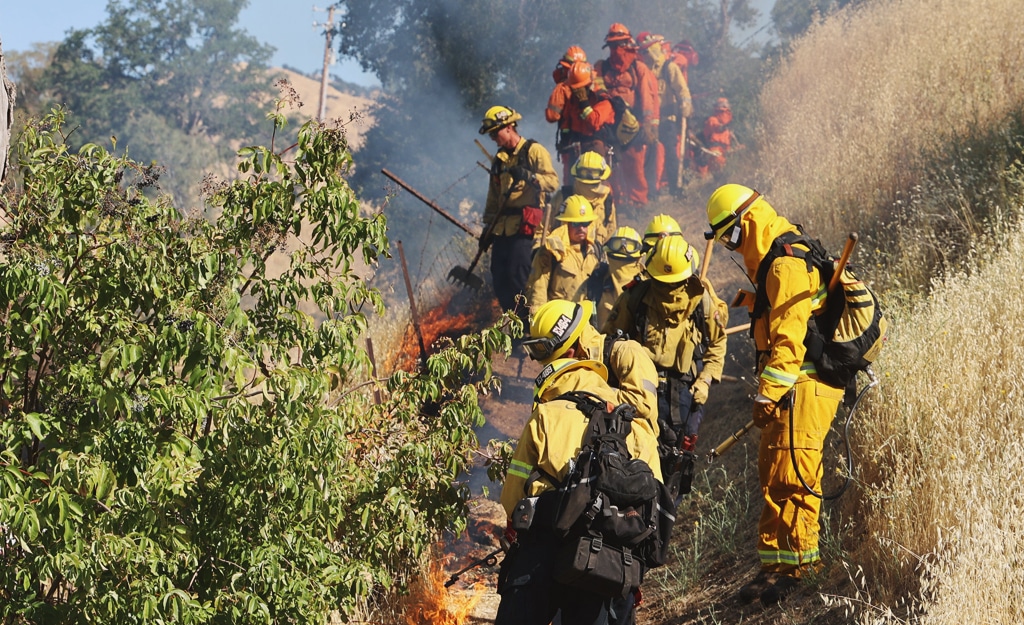
Fighting fire with fire means using prescribed fires, also known as controlled burns, to reduce excess vegetation before it can fuel a destructive wildfire.
These burns are planned in advance and carried out by trained professionals. They are designed to burn at low intensity and under specific weather conditions, allowing fire to do what it has always done in California forests, in a safer way than wildfire.'
Why Fire Helps Forests
Many California forests depend on periodic fires to stay healthy. When fire moves a cross the forest floor, it removes built-up fuels and reduces the chances of future wildfires climbing into treetops or spreading rapidly. Over time, forests treated with prescribed fire are better able to withstand drought, pests, and wildfire.
How Prescribed Fires Are Managed
Prescribed fires are carefully planned. CAL FIRE specialists review weather conditions, fuel moisture, terrain, and nearby communities before a burn takes place. Fire crews remain on site throughout the burn and stay until the fire is fully secured. Safety is always the top priority.
What You Might Notice During a Prescribed Burn
You may see smoke or fire crews in the area. While smoke can be inconvenient, it is usually short-lived and far less intense than smoke from large wildfires. Prescribed fire helps reduce the risk of heavier smoke later. Smoke-sensitive individuals can use available tools like the Smoke Spotter app to get notified about potential prescribed burn smoke near them.
Part of a Bigger Picture
Prescribed fire is one of several tools used to improve forest health. In many areas, excess vegetation is reduced first through thinning or other work . Prescribed fire can then be used to maintain healthier conditions over time.
Additional frequently asked questions
Prescribed fires are known by several names, including Rx fires, controlled burns, hazard reduction burns, vegetation management burns, and planned burns. Each name highlights different aspects of their purpose and methodology.
No, it’s a collaborative effort. CAL FIRE works with federal and state agencies, tribal governments, fire departments, local communities, and landowners to ensure the safe and effective execution of prescribed fires, with careful planning and consideration.
Skipping prescribed fires in fire-adapted ecosystems can be risky. Careful planning – considering factors like weather, fuel conditions, public safety, and economic impact – ensures that prescribed fires bring environmental and management benefits while minimizing risks.
Absolutely. Our fire management team actively communicates about prescribed burns through social media, local news releases, and road signs. You’ll always be aware of any prescribed fires near your community.
Unlike the unpredictable smoke from wildfires, we can manage smoke from prescribed fires. Our plans account for factors like location, fuel, moisture, and weather to control smoke. If conditions aren’t right, we delay the prescribed fire to minimize the impact on air quality.
Explore the following resources for more insights into prescribed fires:
- Working CAL FIRE Unit: Cal Fire Contacts | CAL FIRE
- Northern California Prescribed Fire Council
- Vegetation Management Program | CAL FIRE
- US Forest Service Lake Tahoe Basin Management Unit Prescribed Fire Activity
- US Forest Service Sierra National Forest Prescribed Fire Information
- Sierra Forest Legacy – Fire MOU Partnership
- California Prescribed Burn Associations Cal PBA
- Beneficial Fire – California Wildfire & Forest Resilience (wildfiretaskforce.org)
- Fire Forward – Audubon Canyon Ranch (egret.org)
- Smoke Management Programs and Burn Decisions – Other Air Districts | California Air Resources Board
- Smoke Sense Data Visualization Tool | US EPA
- PFIRS – Prescribed Fire Information Reporting System (ca.gov)
For any further questions about prescribed fires, please contact your local CAL FIRE Unit. They’re always ready to provide detailed and helpful information. Contact CAL FIRE Units.